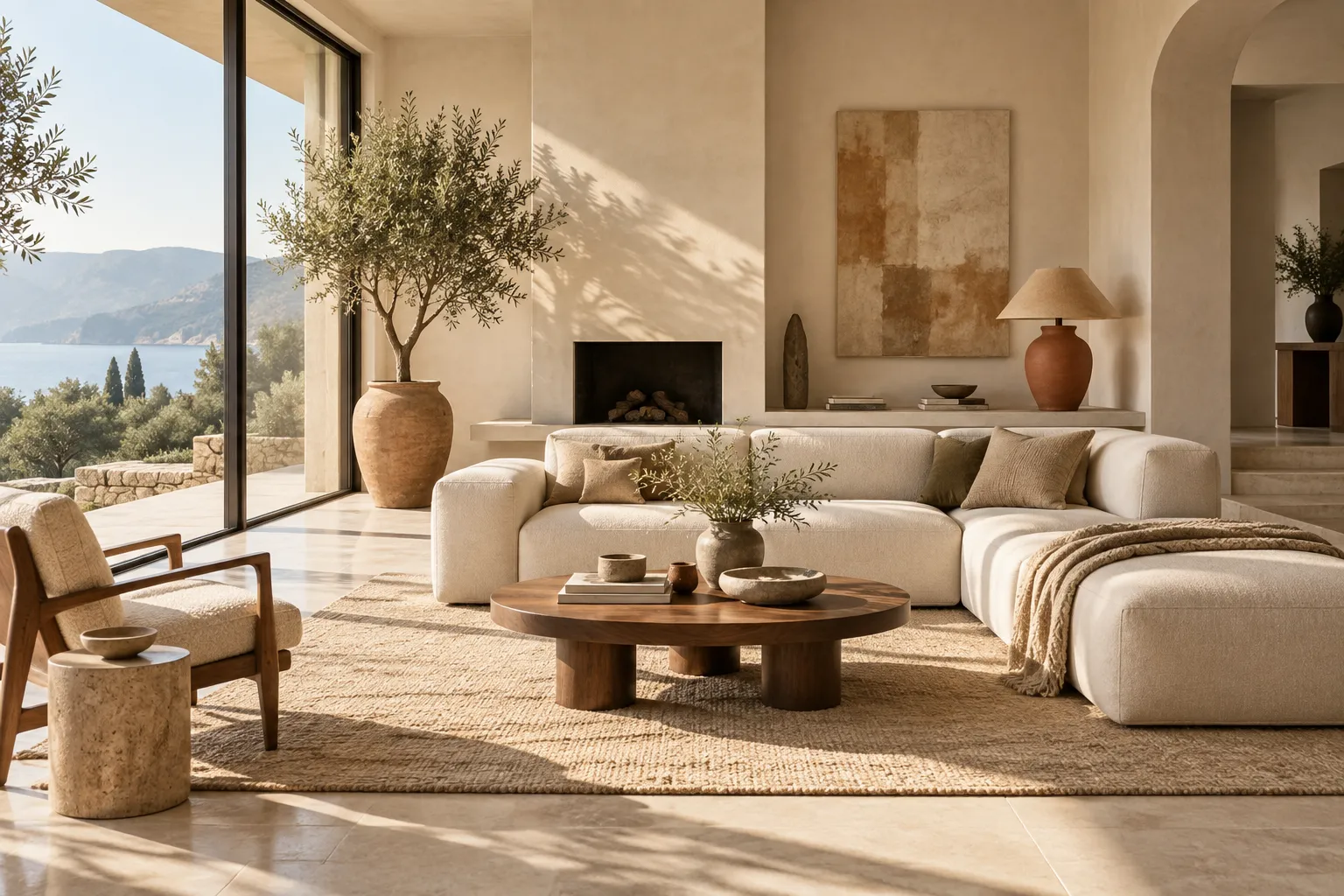
Interiors
A Warmer Approach to the Minimalist Living Room
A considered room needs fewer competing ideas, not less personality. Here is how texture, scale, and light make minimal spaces feel inviting.
Design ideas for spaces, objects, and the moments between them.
A considered room needs fewer competing ideas, not less personality. Here is how texture, scale, and light make minimal spaces feel inviting.
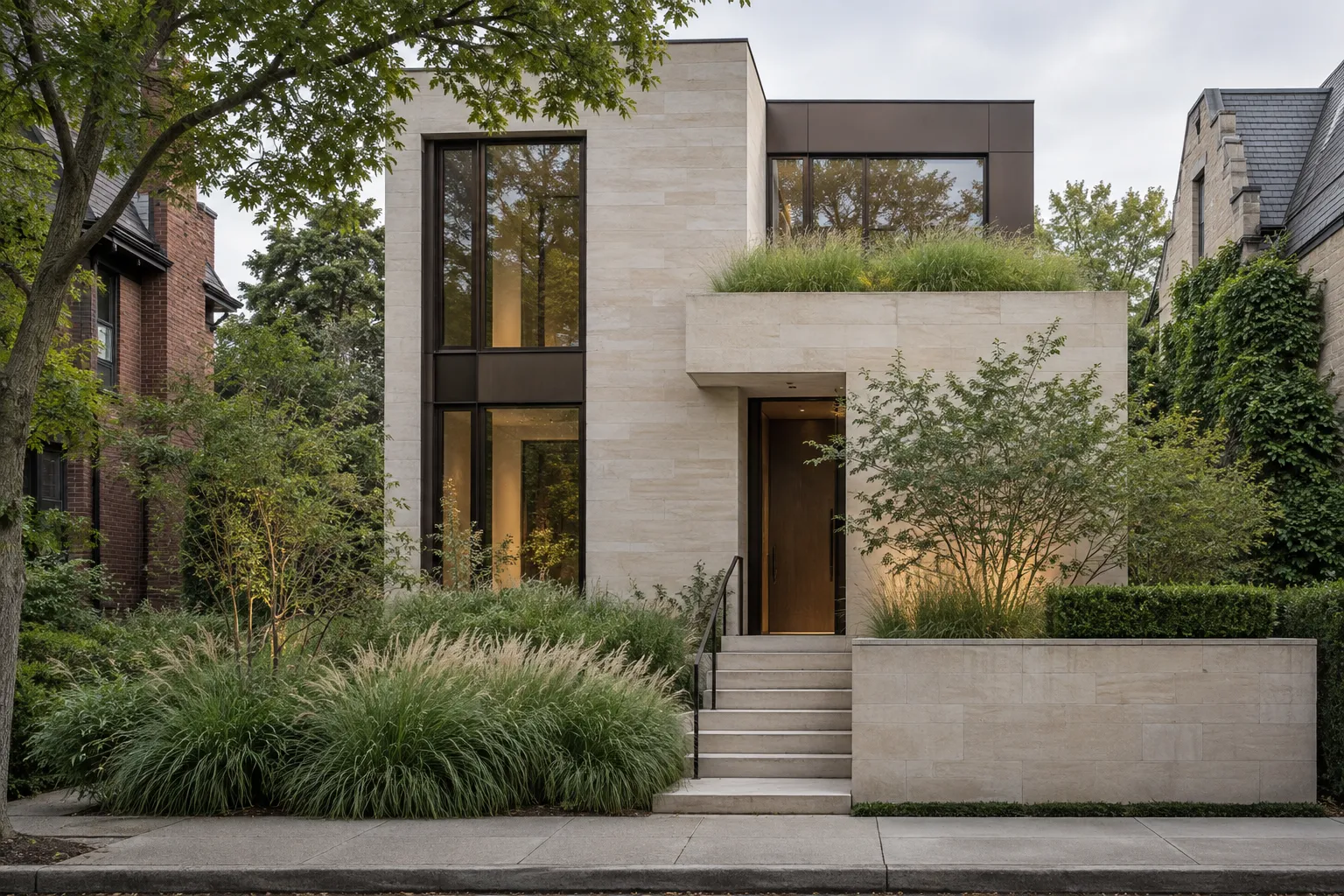
Compact architecture can feel expansive when sightlines, daylight, and transitions are designed together.
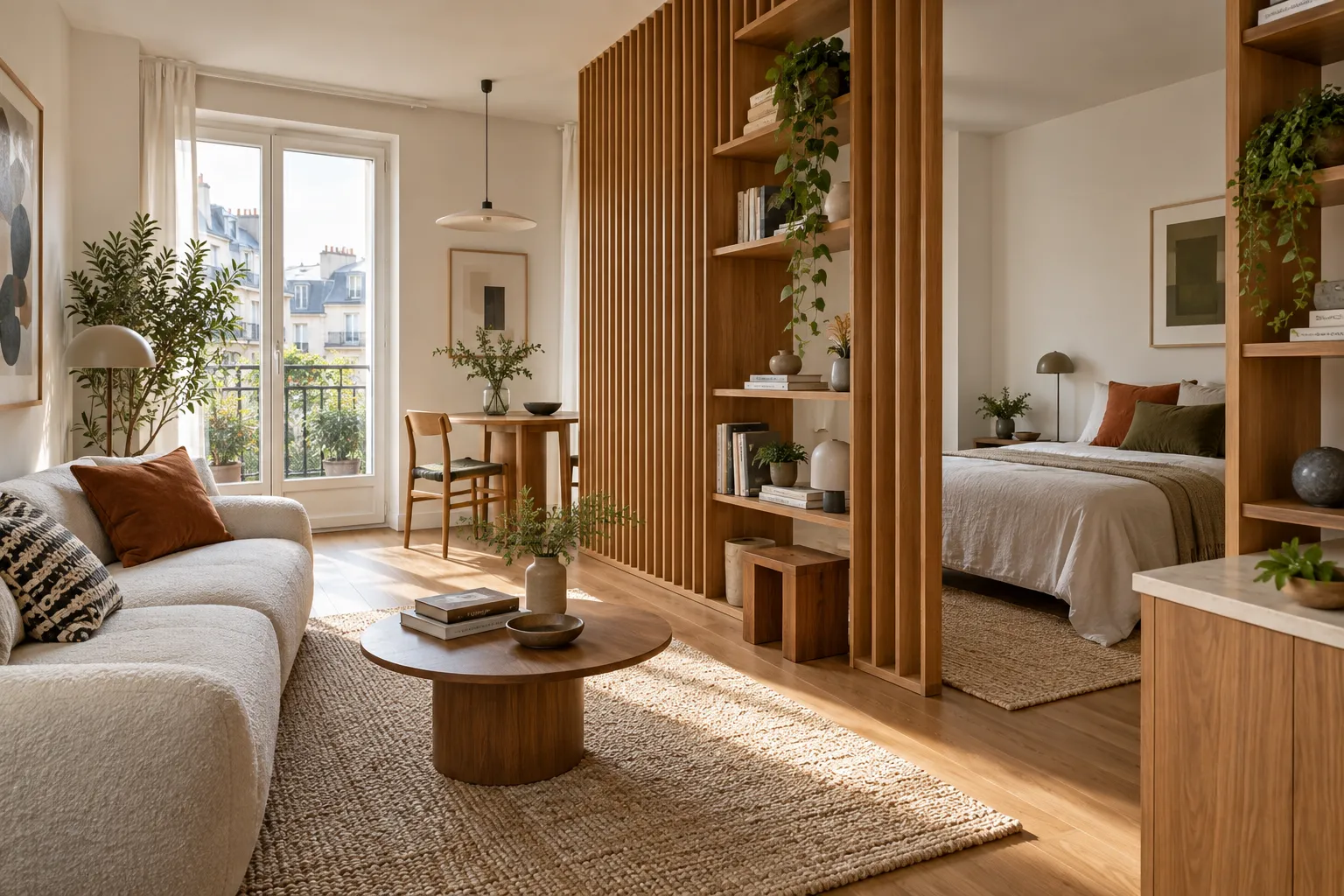
Create distinct places to work, eat, and relax with furniture placement, light, and a few clear boundaries.
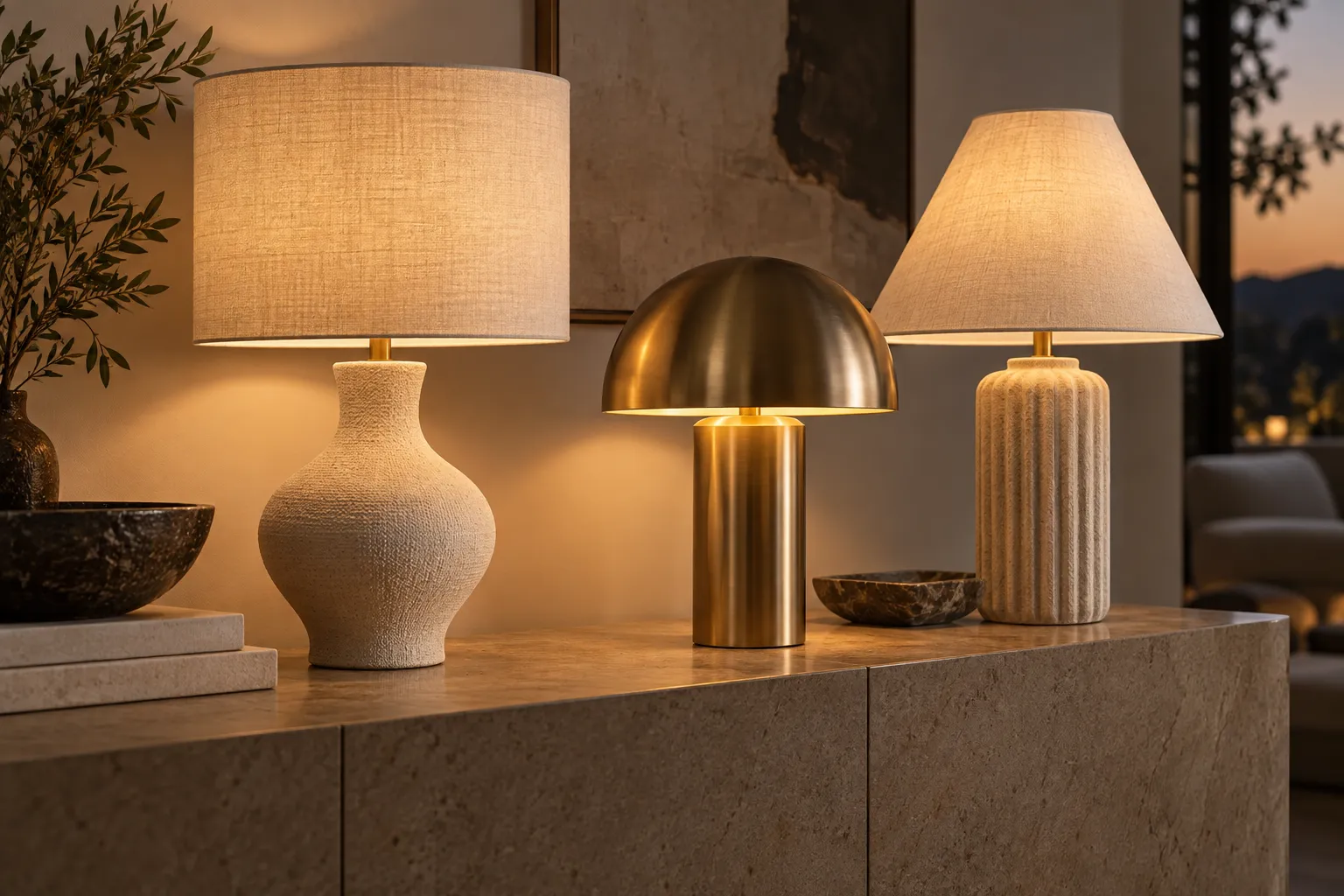
Ambient, task, and accent lighting work together to make a room both easier to use and more atmospheric.
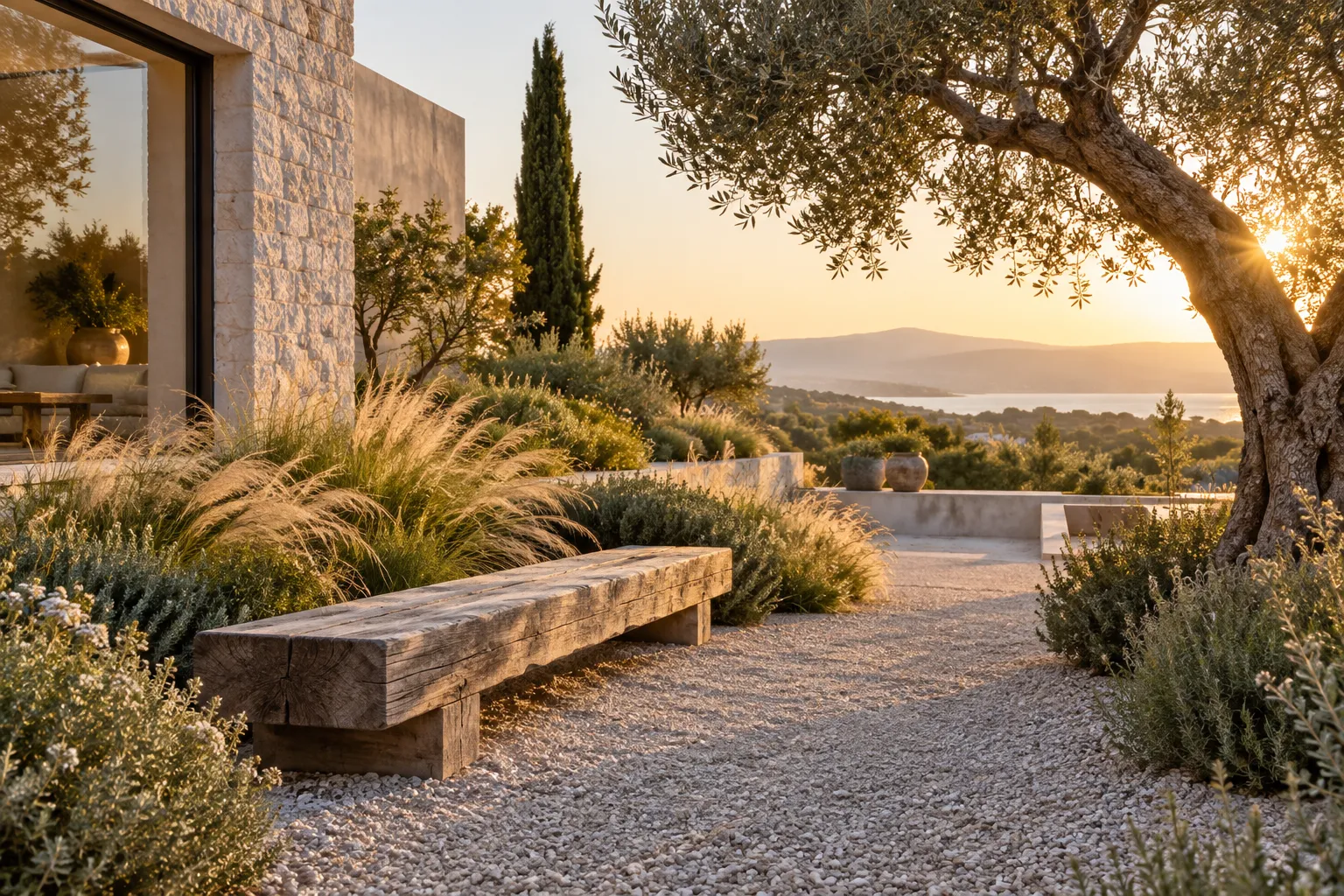
The best small gardens balance structure, planting, and comfortable places to pause.
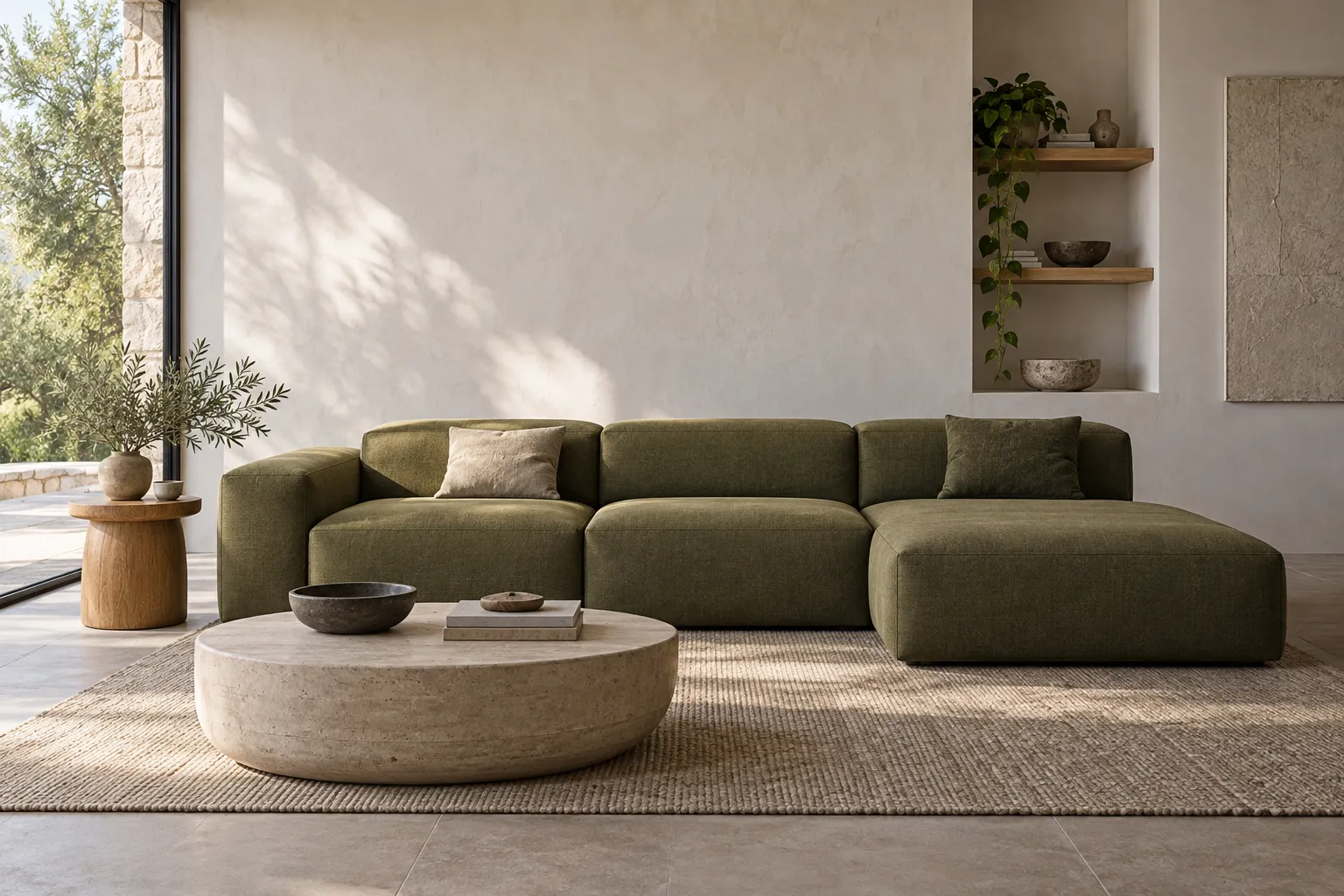
Proportion, seat feel, fabric, and delivery access matter as much as the silhouette.
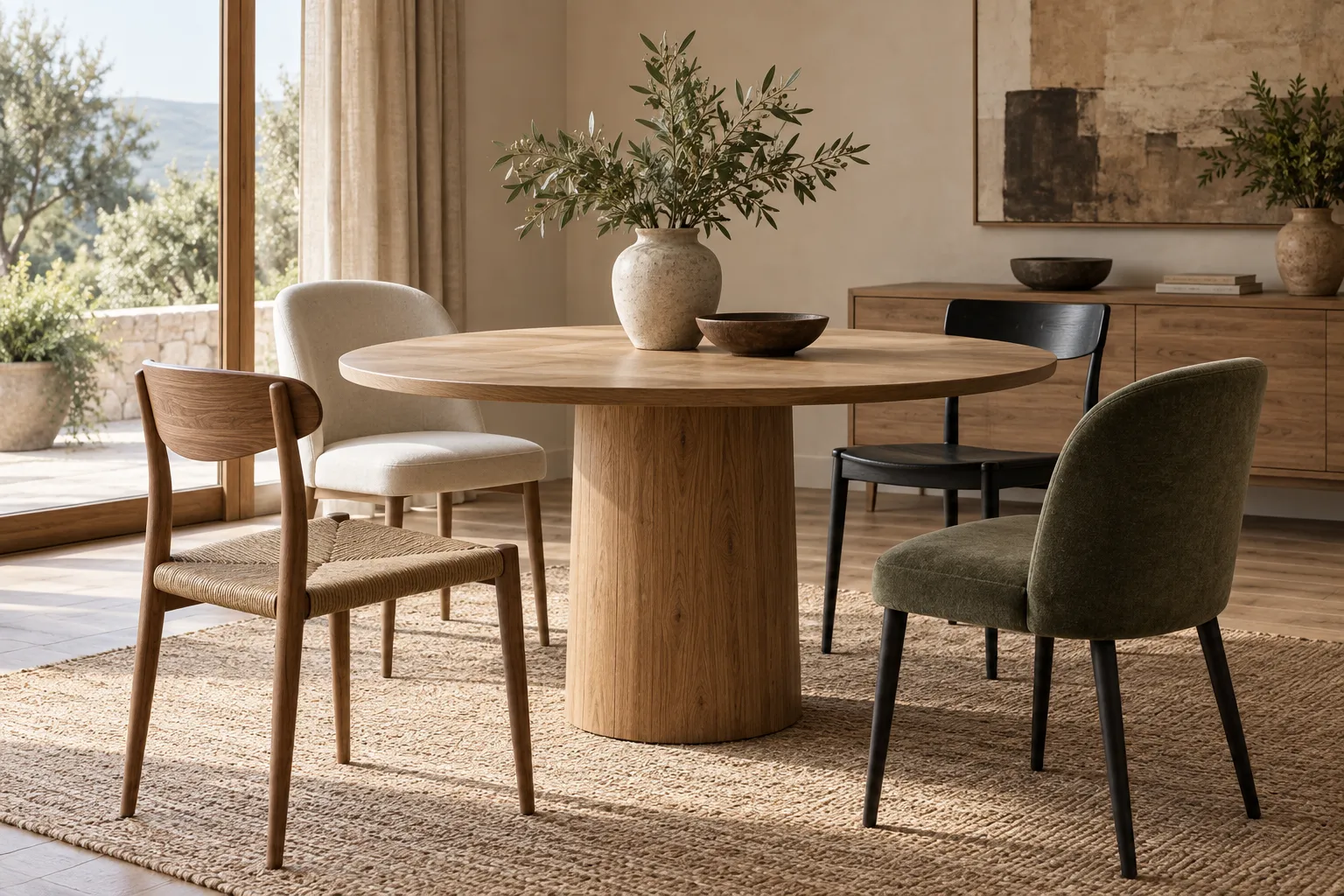
A useful guide to seat height, support, finish, and visual rhythm around the table.
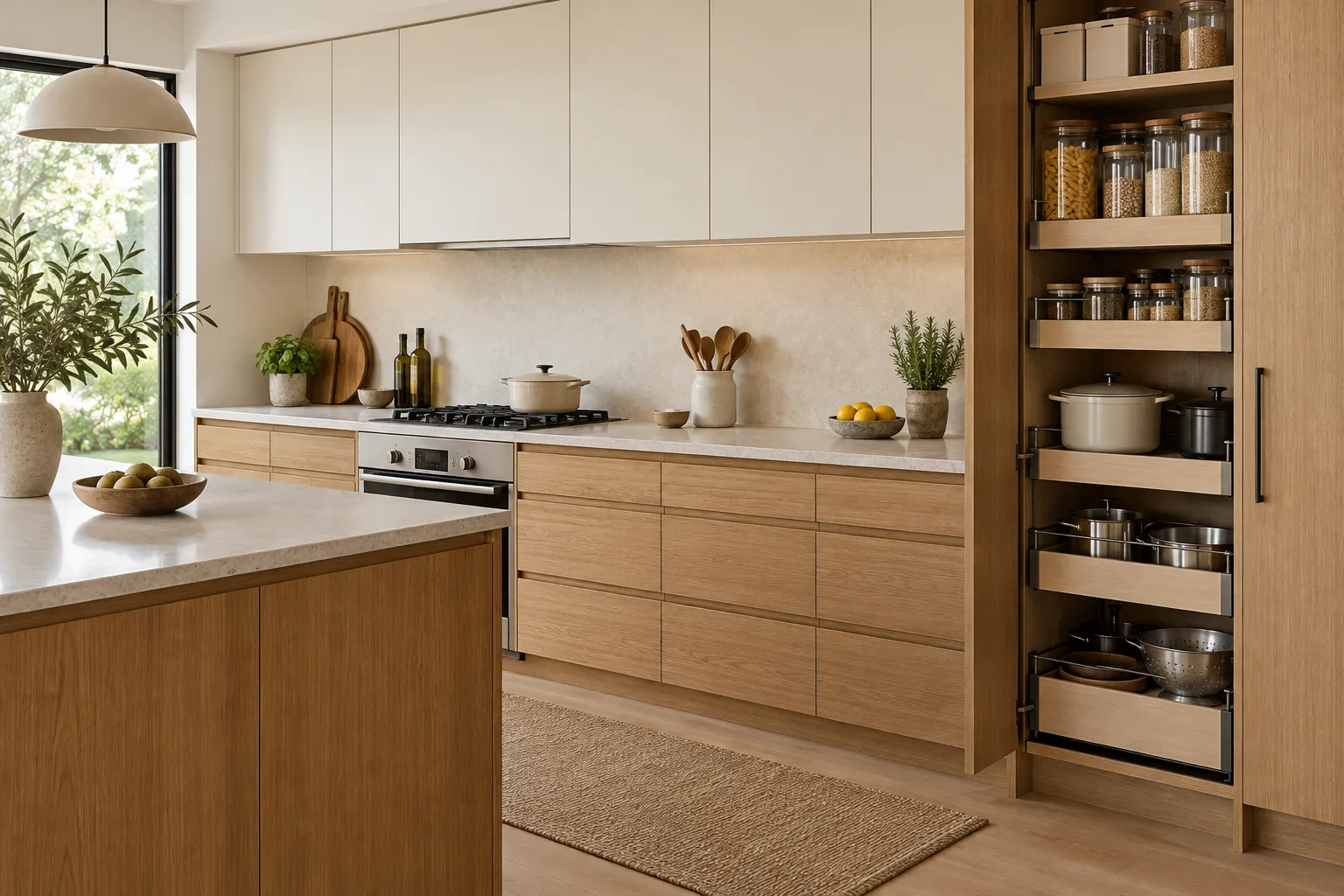
Organize by tasks and reach, then let the cabinetry follow your routines.
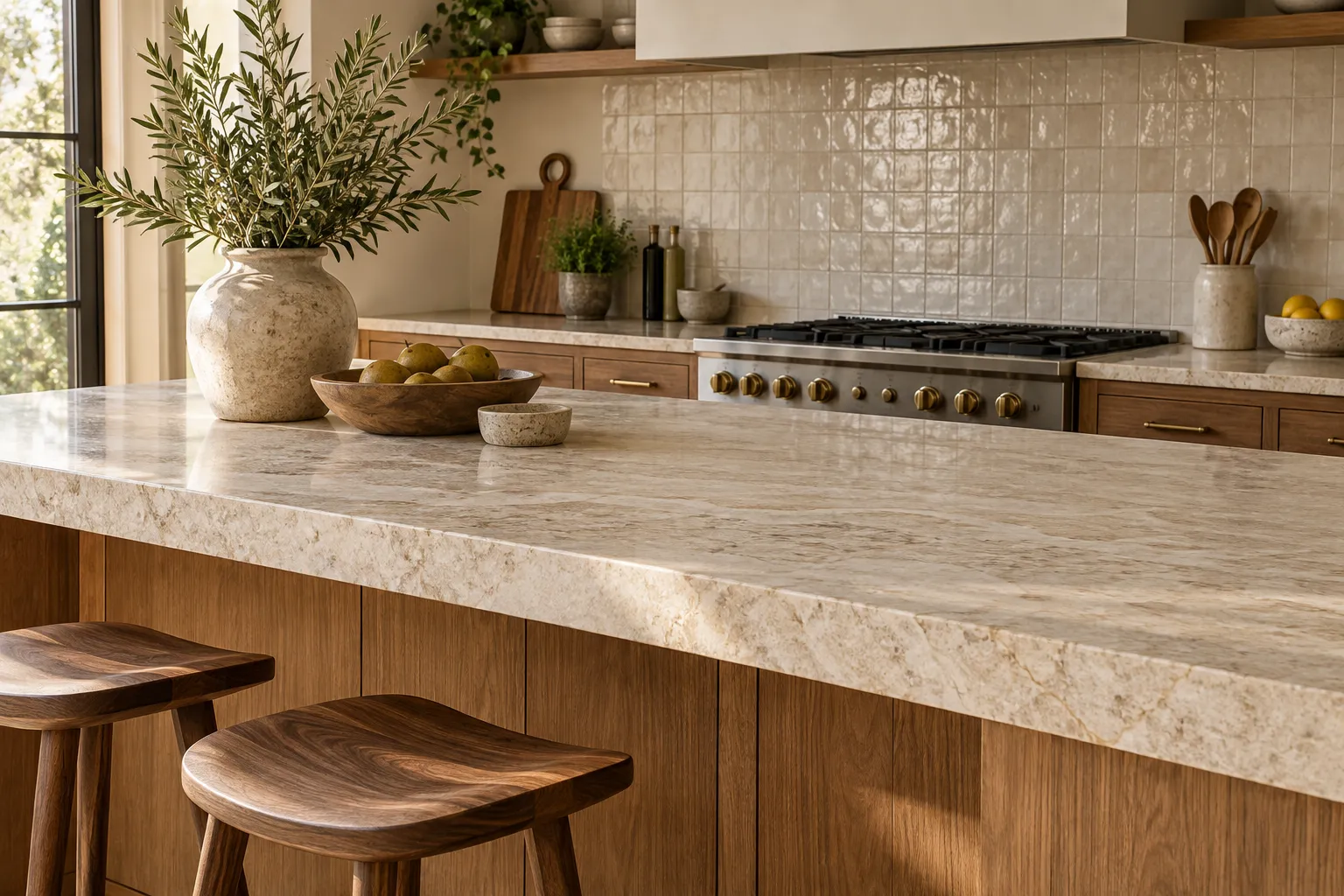
A practical framework for evaluating appearance, upkeep, heat, repair, and installation.
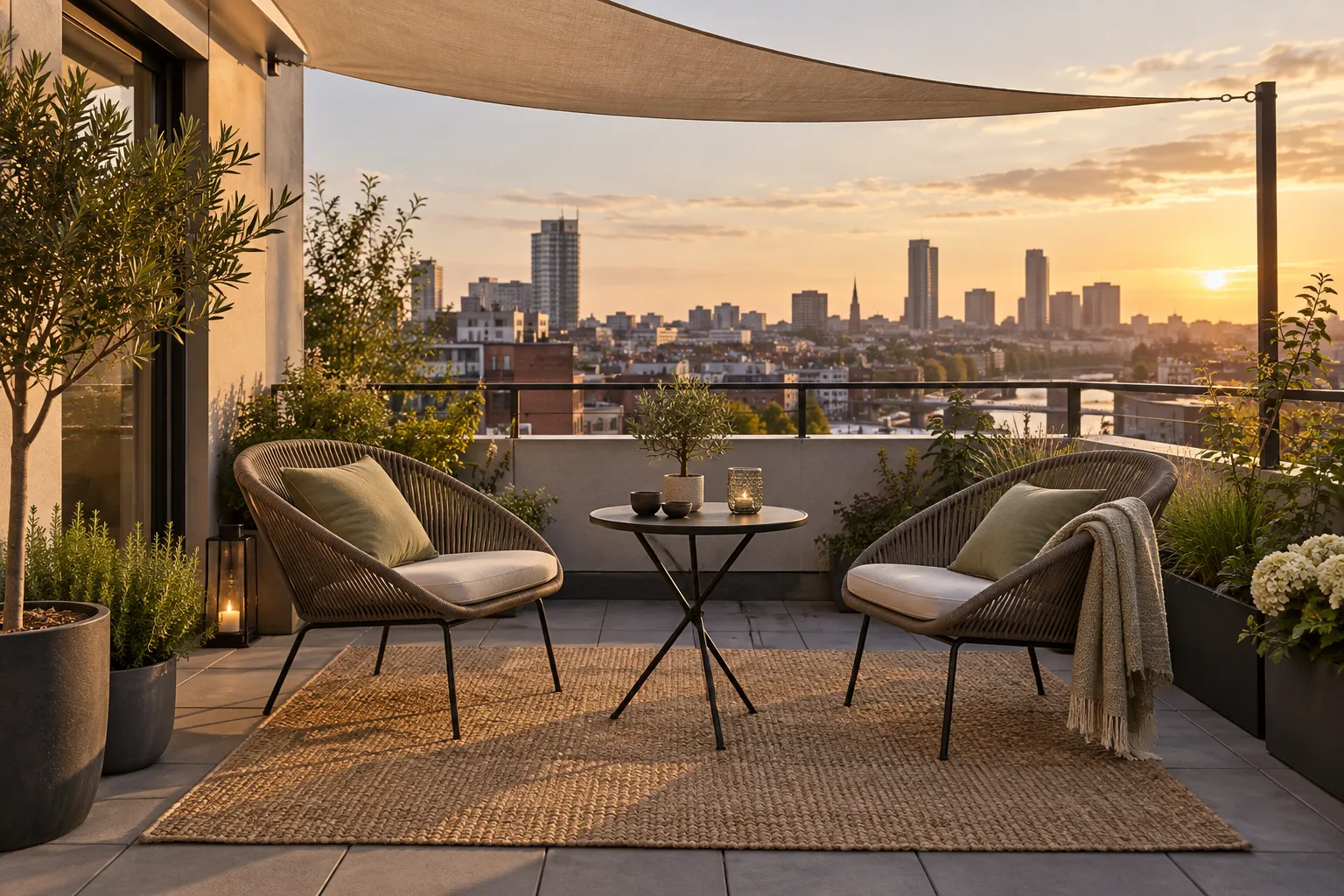
Make a compact outdoor space comfortable with the right scale, shade, and weather-ready details.
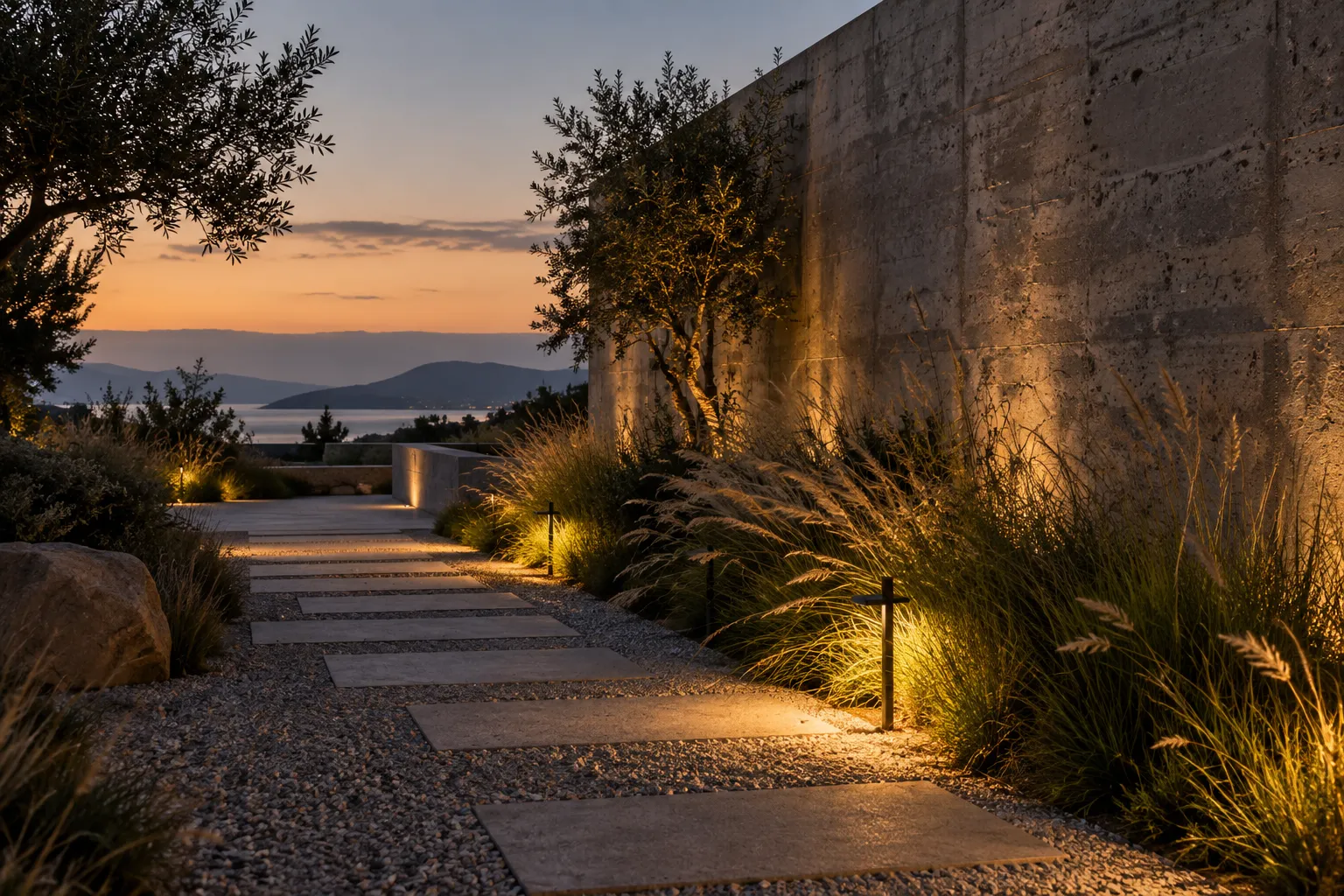
Light paths and places gently while keeping glare and energy use in check.
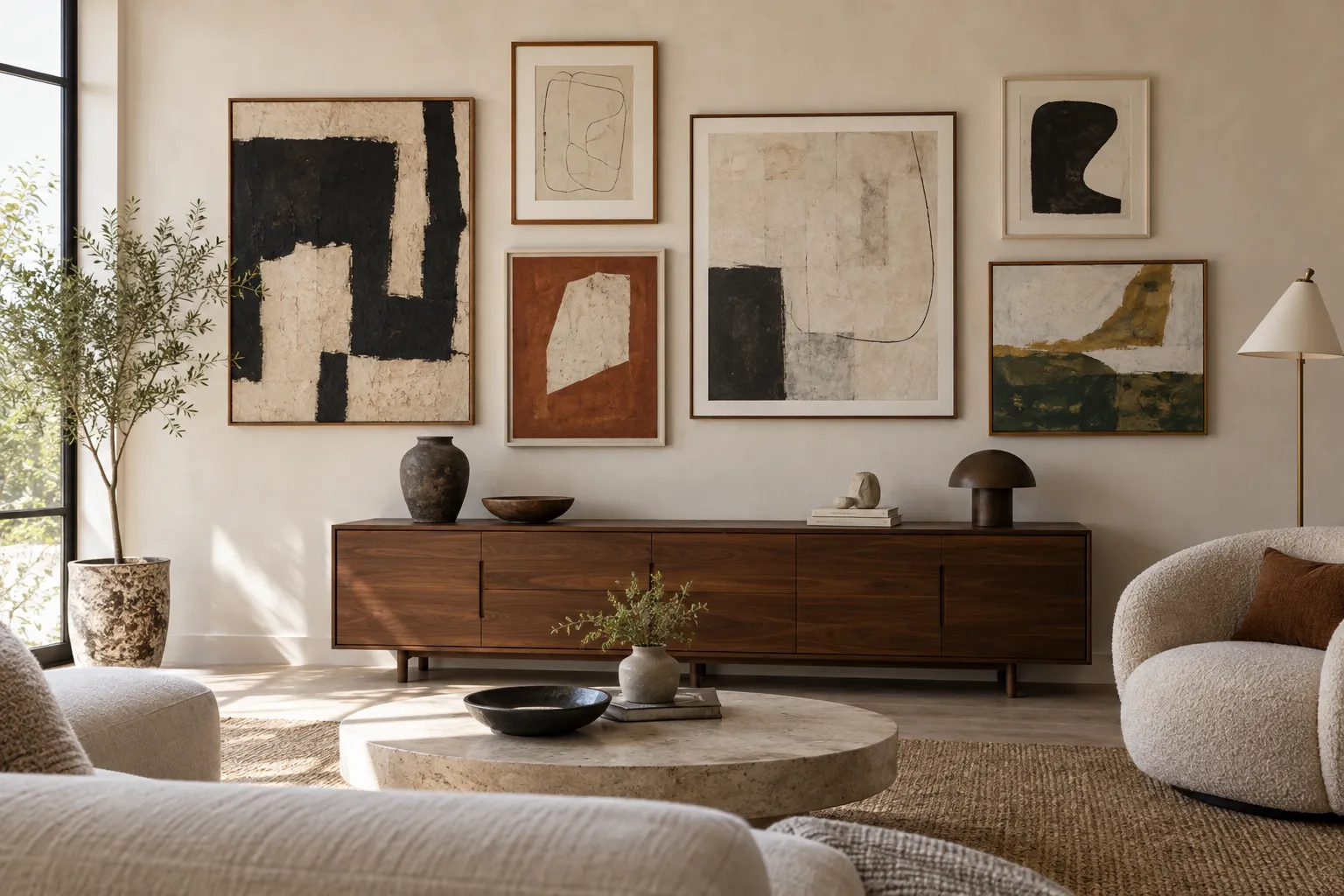
A collected wall gains character through relationships among pieces, frames, and negative space.
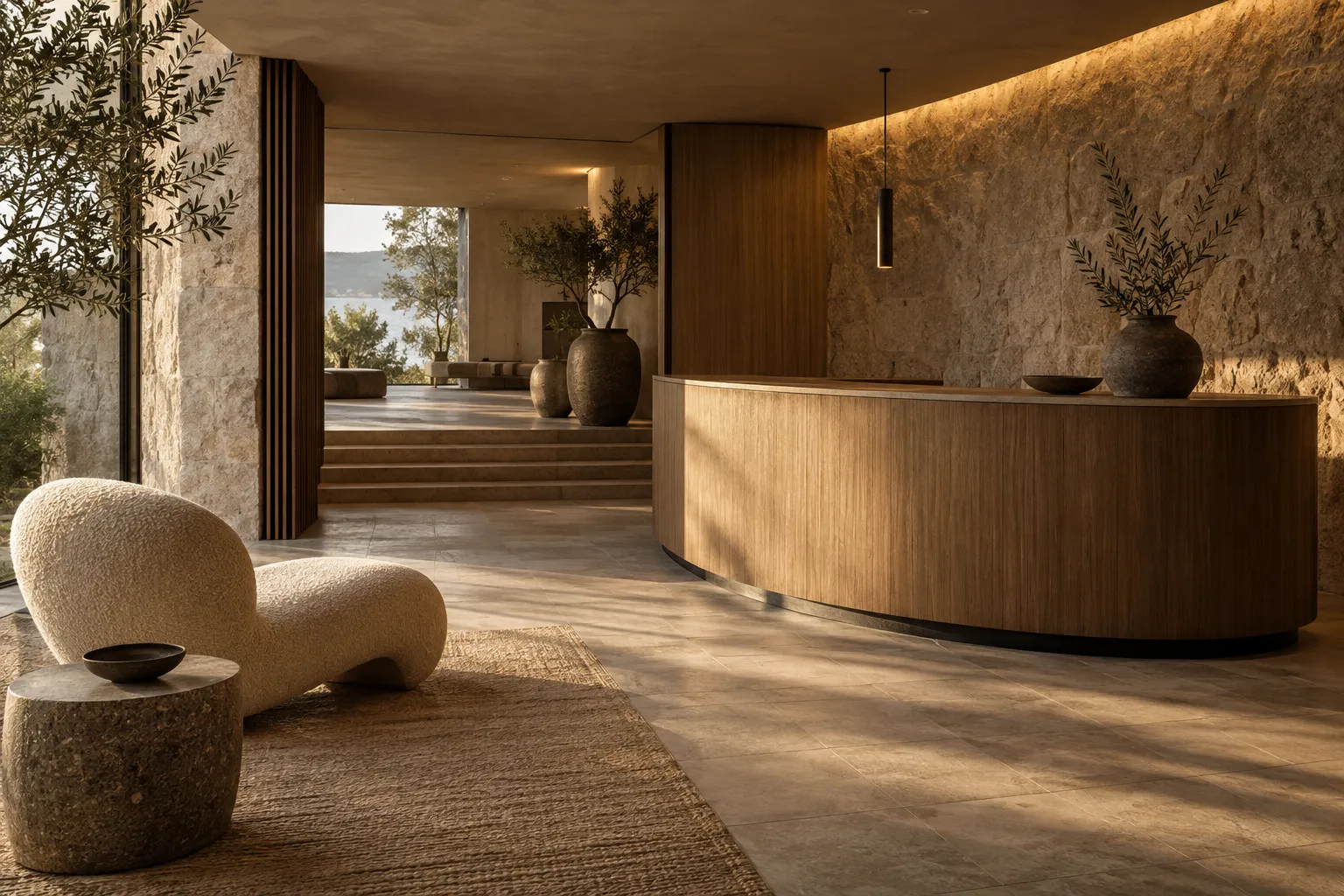
Hotels and public spaces can teach useful lessons about lighting, circulation, and everyday objects.
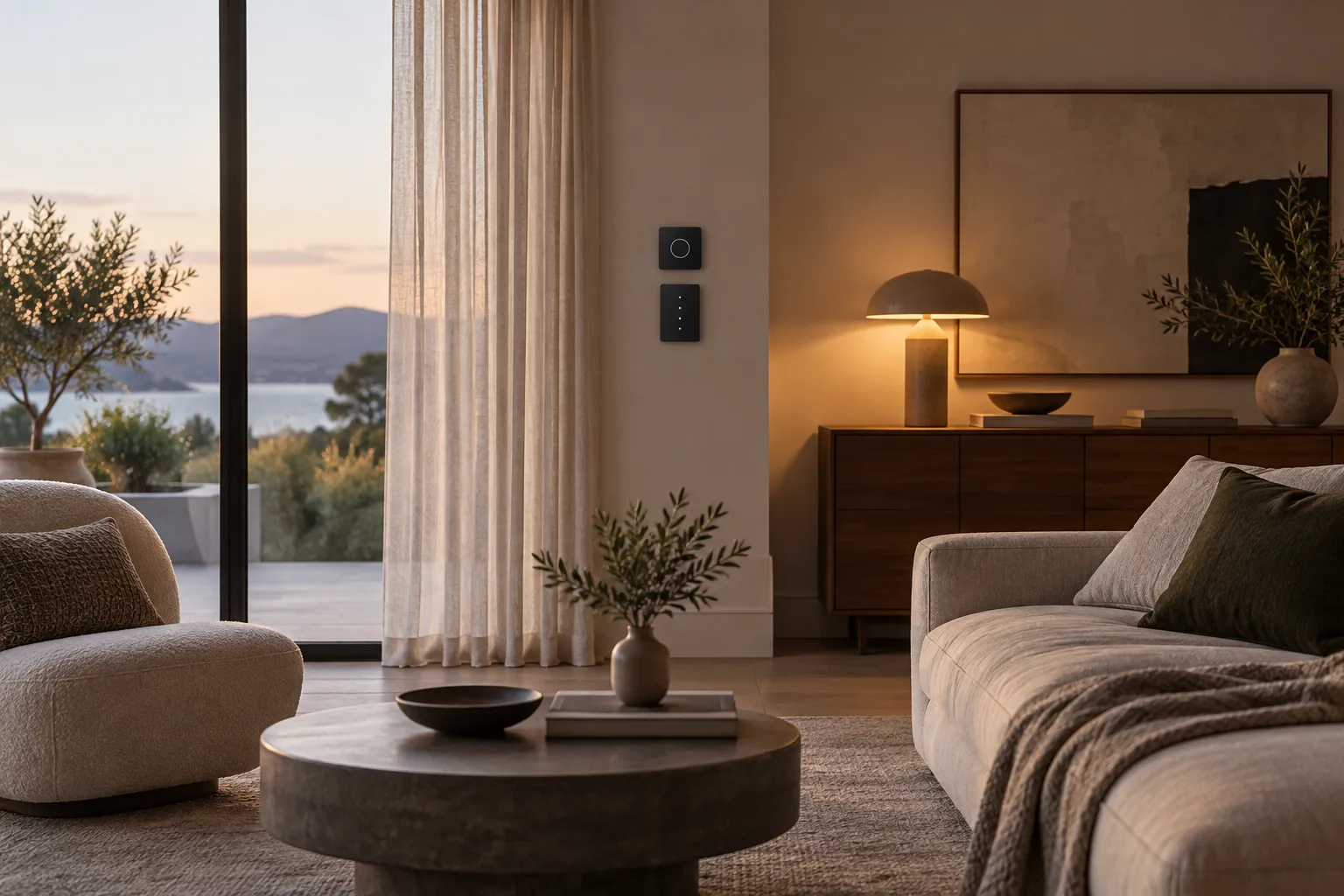
Choose a few useful automations, keep manual control, and make technology fit the interior.
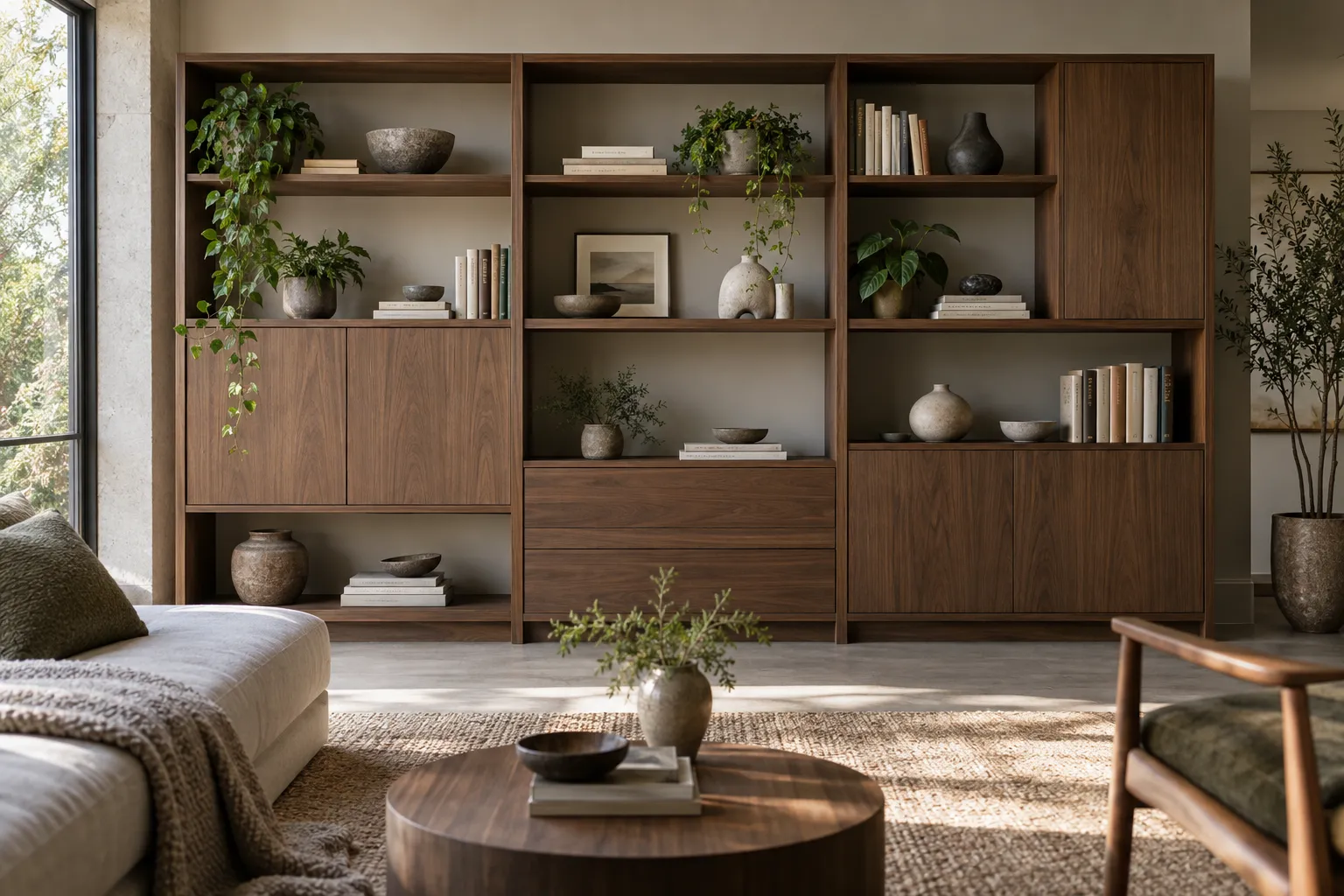
Flexible storage is most useful when the system, wall, and objects are considered together.
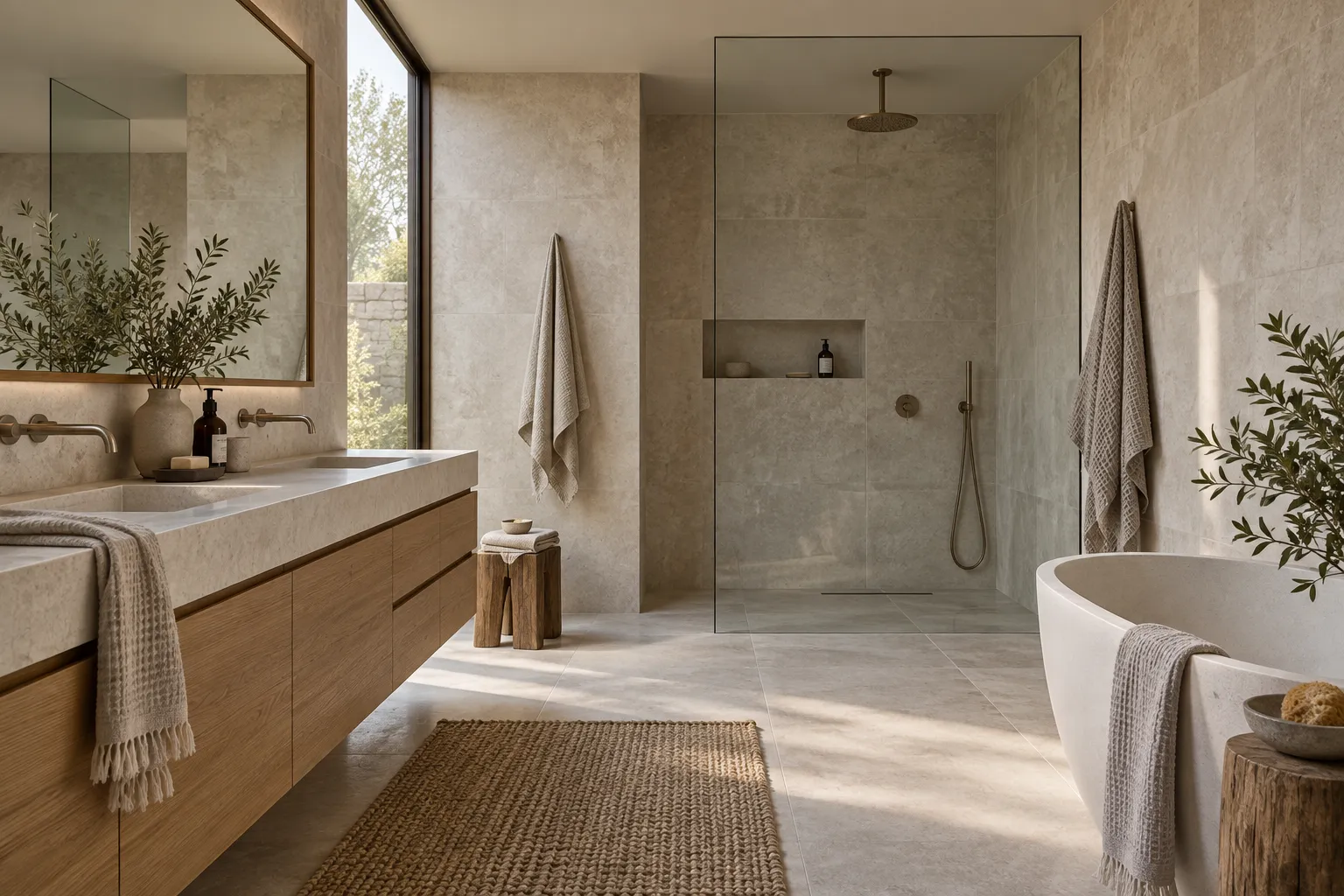
A beautiful bathroom depends on water management, cleaning access, and tactile materials.
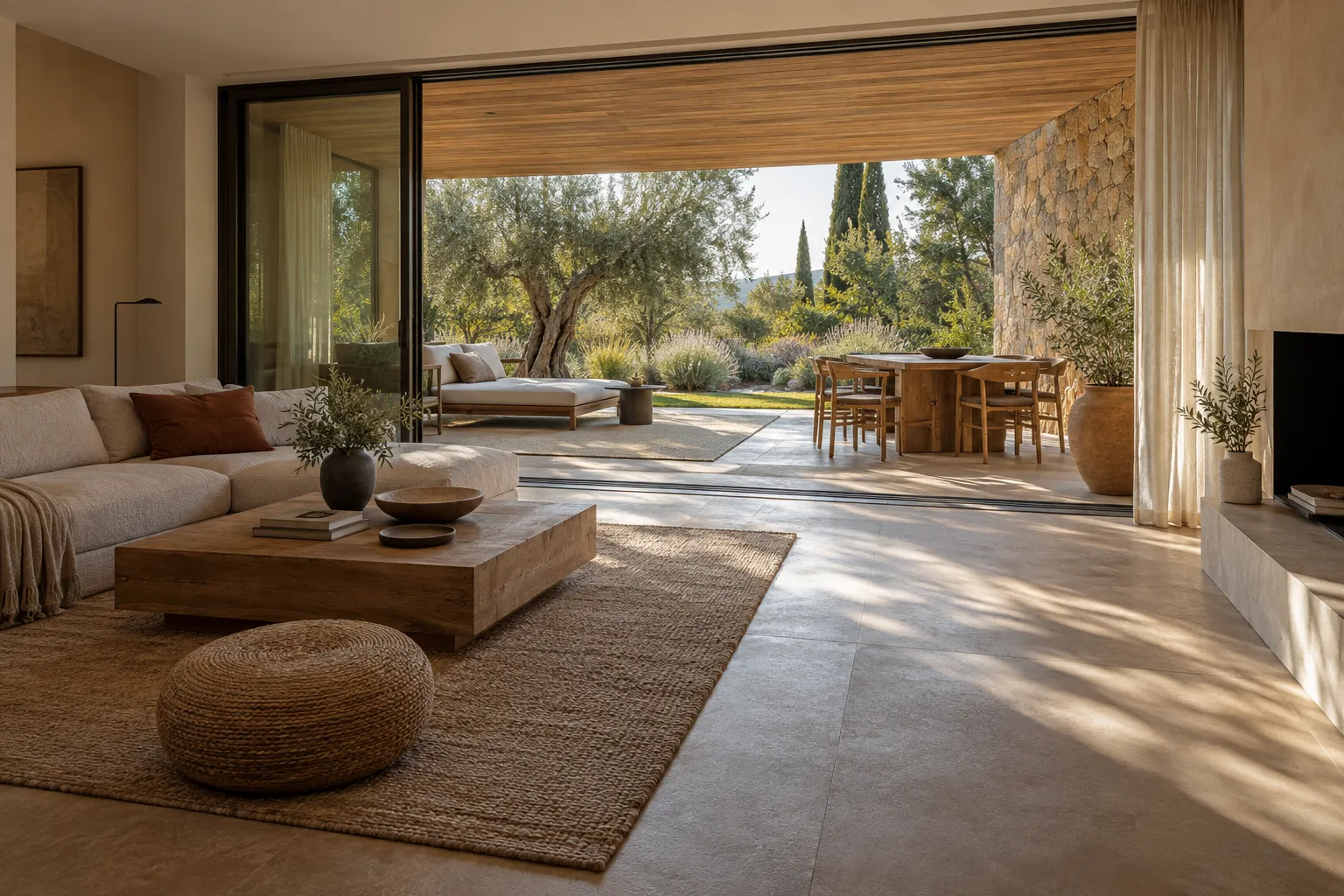
A good threshold connects rooms through shade, floor levels, views, and everyday access.
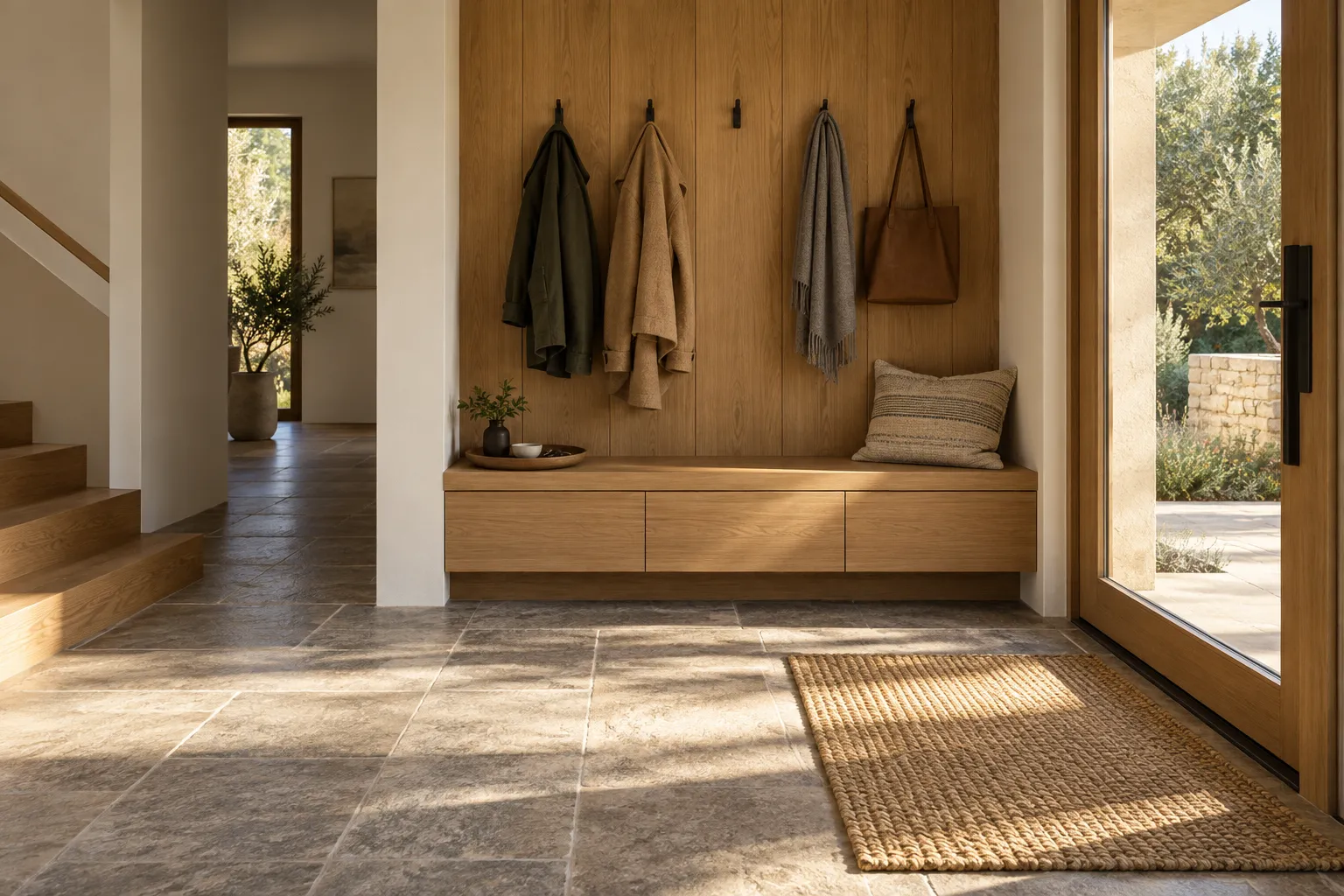
Small, well-placed storage and good light can make arrival feel effortless.
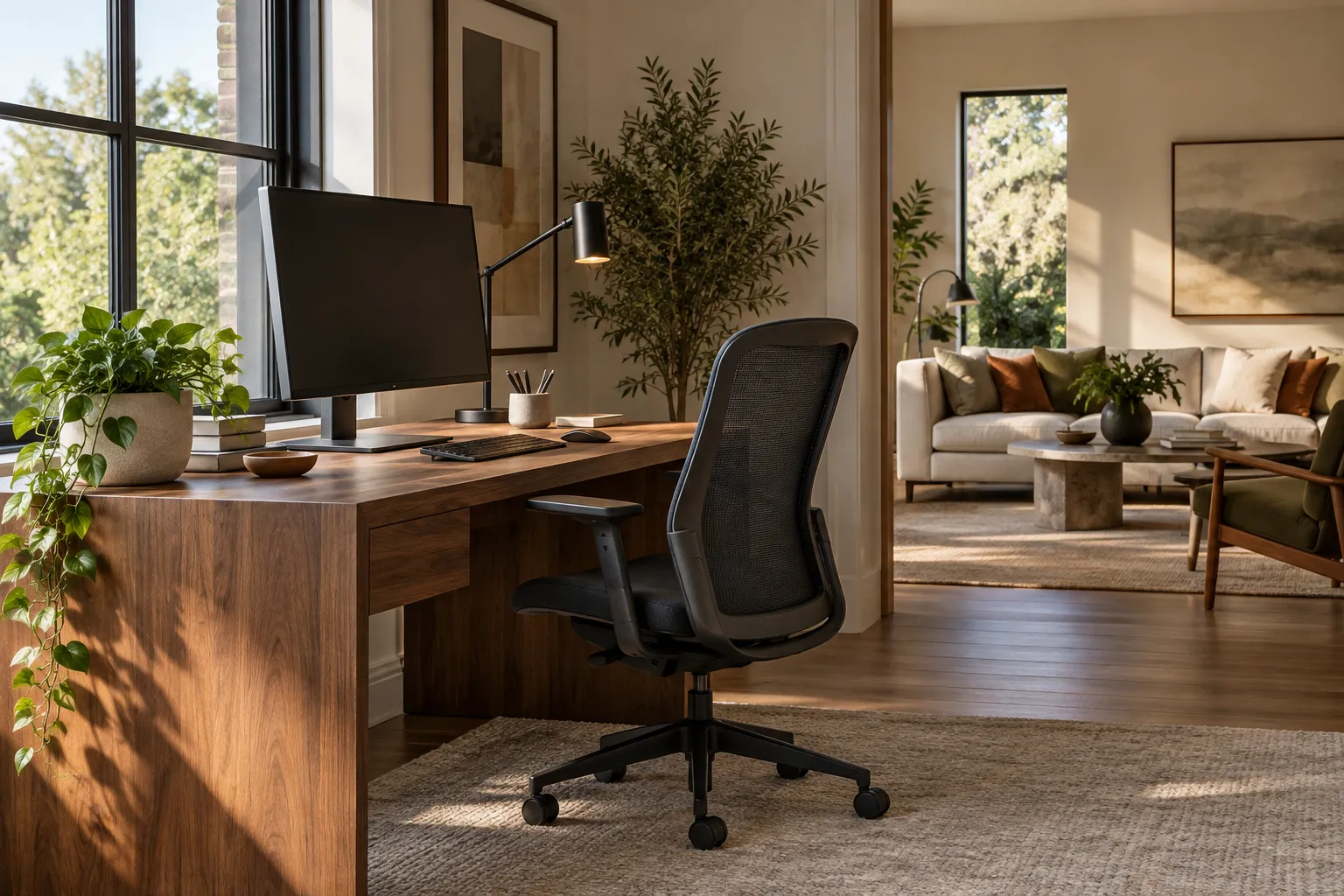
The desk, chair, screen, and light should support the body as well as the room.
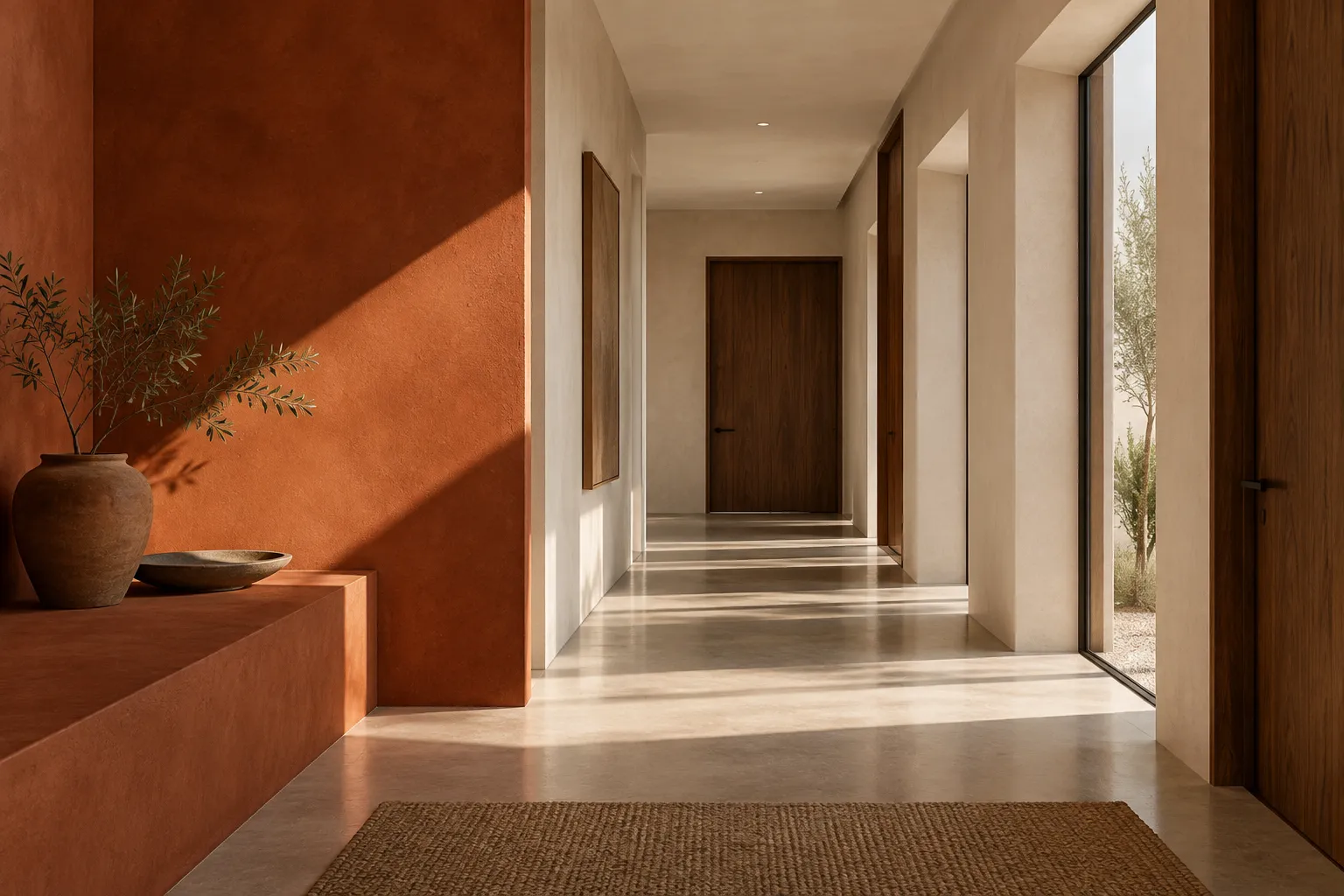
Color can clarify a room’s shape, guide movement, and make materials feel more intentional.